
Cold and flu strains have a lot in common, but there are important differences. Here’s how to tell them apart and some tips to help avoid them both this winter season.
Cold and flu season is on its way, and as temperatures drop, these viral infections tend to circulate more easily. If you or your whānau get sick this winter, it helps to know what symptoms to look for and when it might be something more serious.
Could you spot the difference between a cold or a flu? Here’s what you need to know about colds and flu, including how contagious they are and how you can avoid picking them up.
What is a cold?
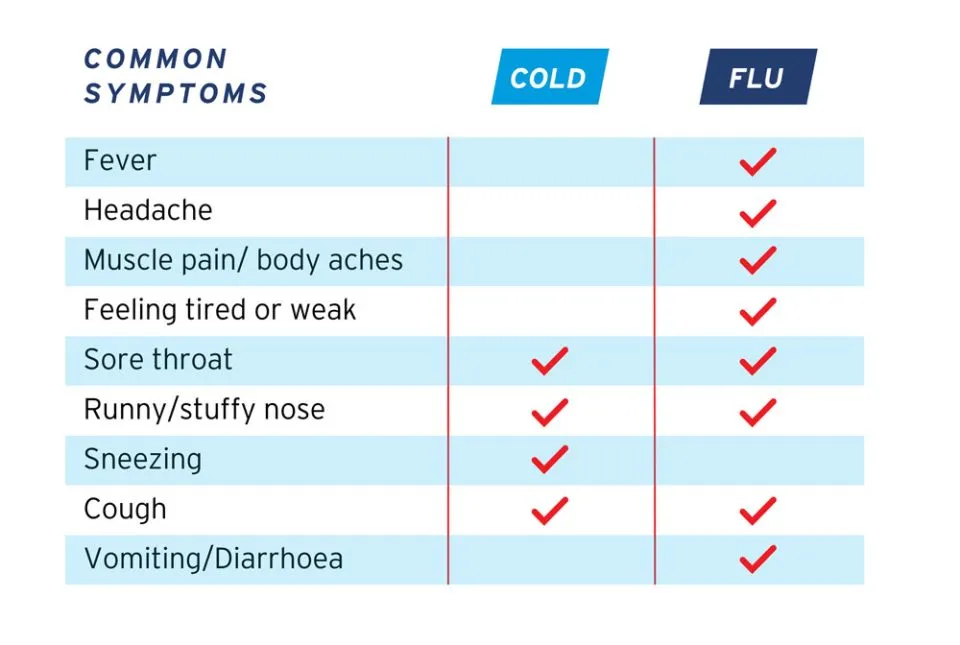
A cold is a very common viral infection. It’s not usually serious, but it can generally cause you to spend one to two weeks sniffing, sneezing, coughing, and dealing with other symptoms such as headaches, tiredness, and a sore throat.
Once you have a cold, all you can do is manage the symptoms. Colds cannot be cured with antibiotics or other medicines, so you will need to get plenty of rest, drink a lot of water, and take over-the-counter pain medication if you are uncomfortable. Throat lozenges, decongestants, and nasal sprays can all help with symptom management.
While a cold should go away by itself and never be much more than a nuisance, if it lasts longer than a couple of weeks, causes chest pain, or gives you any trouble breathing, you may need to see your doctor.
What is the flu?
Flu is a short name for influenza, a virus that’s both highly contagious and highly uncomfortable.
Symptoms typically include a sore throat, cough, runny nose, and headaches. In these ways, a flu can be similar to a cold. However, a flu is also characterised by a fever, body aches, chills, and even an upset stomach. These additional symptoms can be quite debilitating and leave you stuck in bed for a few days with little energy to get up, unlike a cold where you can still function (albeit snuffily).
Flu symptoms will be at their worst for roughly five days, but the cough can linger for two to three weeks. Due to the increased severity of a flu, it can be dangerous for higher risk groups such as the elderly, pregnant women, and those with underlying health conditions such as diabetes or heart problems.
Unfortunately, influenza cannot be ‘cured’ – you simply have to wait for your body to fight off the infection. You can do this with rest, fluids, over-the-counter medications and pain relief. You should also try to isolate yourself from others, especially if they are high risk, to avoid passing the infection along.
How contagious are colds and flus?
Both colds and flus are highly infectious, which means they spread easily.
Contagious diseases and bugs are rated with something called a ‘basic reproduction number’, which shows how many people a single person will likely infect once they have the bug.
Common colds are caused by a group of viruses known as rhinoviruses, and have a reproduction number of 6. This means if you catch a cold, you’ll probably pass it on to six people, which makes it quite contagious – and explains why colds spread through workplaces, schools, and households so easily.
Influenza has a reproduction number of 2.5. It’s therefore less contagious than colds, but will still spread quickly. To complicate things further, as much as 80 per cent of those with influenza are asymptomatic, meaning they have zero symptoms and don’t even know they are unwell, therefore take few precautions against passing it on to others.
How to avoid catching colds and flu
As there is no cure for colds and flu, prevention is the best medicine.
For both colds and the flu, you can take everyday preventative measures to avoid catching germs. This includes all the same precautions that we’ve all been following for COVID-19 – wash your hands well and regularly, avoid touching your face, and keep your distance from others, especially those who are unwell. You can also avoid spreading germs by coughing into your elbow and sneezing into a tissue.
For influenza, the annual flu vaccine can help to prevent you from suffering the effects of the virus, even if you come into contact with it. The vaccine is recommended and freely available for those with increased risk, although anyone can get it by speaking with their doctor and paying a small fee.
If you do catch a cold or flu, you can at least relieve the symptoms. Maxiclear® cold and flu relief helps to treat symptoms including headaches, fever, a runny or blocked nose, and sinus pain, so you can get on with your day. Similarly, Maxigesic PE is a powerful symptom reliever for fever, inflammation, headaches, sore throat, and blocked and runny noses.
Important information: This content is for informational purposes only and should not replace advice from your healthcare professional. If symptoms persist or you need specialist guidance, please consult your healthcare professional.
MAXIGESIC® film-coated tablets are for the temporary relief of pain and reduction of fever and the discomfort associated with fever. Incorrect use can be harmful. Do not use if you have asthma or a stomach ulcer. Do not use in children under 12 years or if you have kidney disease. Do not exceed the daily recommended dose. Always read the label and use strictly as directed. If symptoms persist or side effects develop, contact your healthcare professional. AFT Pharmaceuticals, Auckland, New Zealand. TAPS PP5641 NZ Patent No. 552181.
Do NOT combine with any other Paracetamol or Ibuprofen-containing medicines. Do NOT exceed the daily recommended dose.


