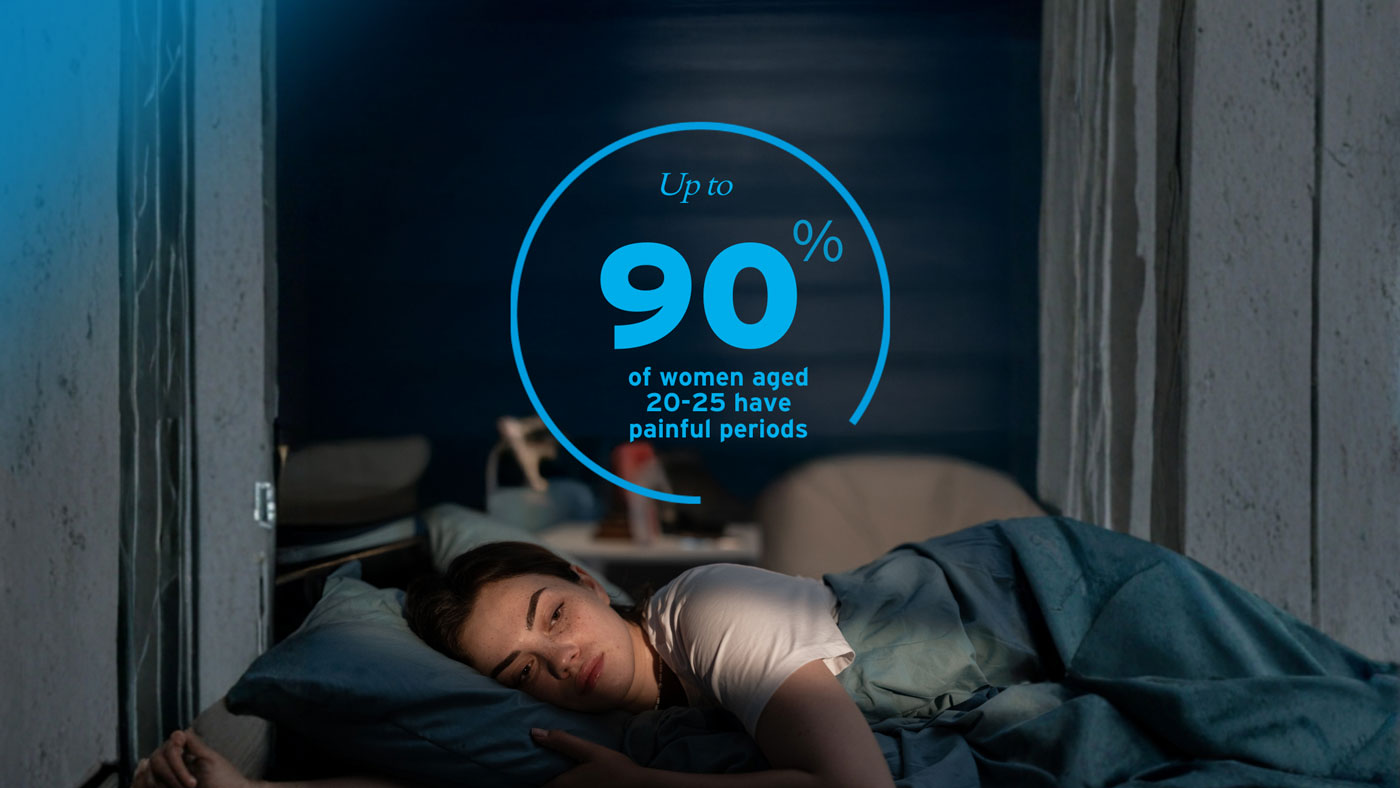
No, it’s not just in your head – period pain can be genuinely debilitating. If you’ve ever wondered what’s behind those cramps (or whether what you’re feeling is normal), here’s a simple breakdown of what causes period pain and when it might be a sign of something more.
What is dysmenorrhea?
The medical term for period pain is dysmenorrhea, and there are two main types:
Primary dysmenorrhea
This is the most common type. It refers to pain that happens before or during your period and follows a fairly typical pattern for you.
Secondary dysmenorrhea
This type appears later in life, often after years of mild or pain-free periods. If your period pain suddenly becomes more severe or feels different, it could be linked to an underlying condition such as endometriosis or uterine fibroids. If something feels “off”, it’s important to talk to a healthcare professional.
Period pain can vary widely. Many people experience their most intense symptoms in their teens and early 20s, and for some, pain reduces after pregnancy. Genetics, obesity, smoking, and even starting your period before age 11 may all influence how strongly period pain shows up.
What causes dysmenorrhea (period pain)?
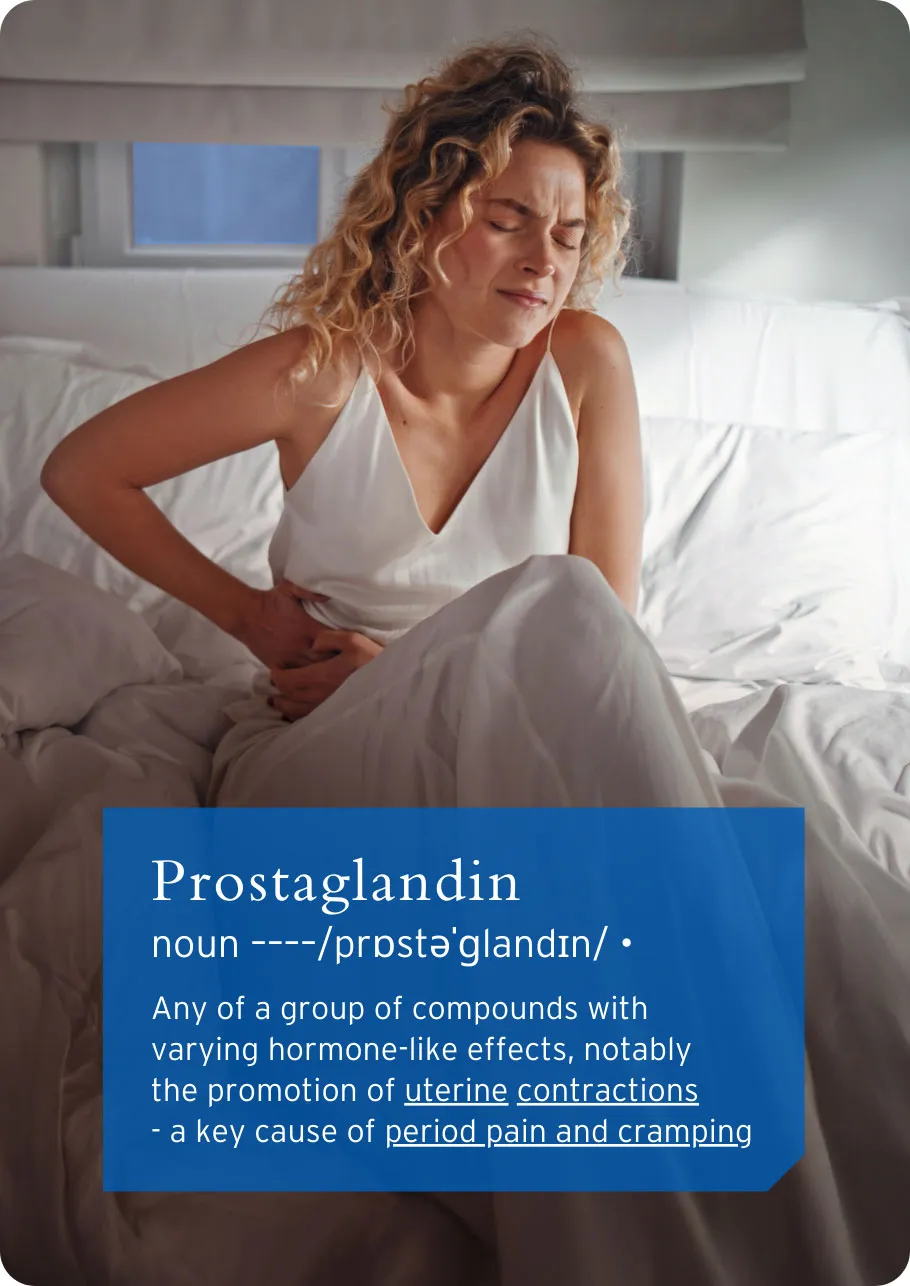
Every person’s menstrual cycle is different, so pinpointing the cause of pain isn’t always straightforward. However, one hormone in particular plays a big role: prostaglandin.
Prostaglandin signals the uterus to contract so it can shed its lining. If your body produces higher levels of this hormone, those contractions can become more intense — which often means stronger cramps.
These stronger contractions may also place pressure on nearby organs, adding to discomfort.
Higher prostaglandin levels can also trigger other symptoms, including:
- nausea
- headaches
- diarrhoea
- lower back pain
Anti-inflammatory medicines like ibuprofen can help reduce prostaglandin levels, easing inflammation and discomfort. Paracetamol can also help manage pain and soothe symptoms. Maxigesic® combines both paracetamol and ibuprofen to provide double-action relief — helping reduce pain while also targeting inflammation.
Other reasons period pain can occur
While most period pain is caused by uterine contractions, sometimes it can be linked to another
condition. These may include:
- endometriosis
- premenstrual syndrome (PMS)
- uterine fibroids
- pelvic inflammatory disease
- ovarian cysts
If your pain feels unusual for you, isn’t improving, or is interfering with your daily life, it’s worth
checking in with a healthcare professional for proper assessment and support.
In summary
Periods can be a nuisance – and prostaglandins don’t make them any easier. If your period pain is worrying you or stopping you from living your life normally, seeking medical advice is the best first step toward finding clarity and relief. In the meantime, pain relief options like Maxigesic can help you feel more comfortable as you navigate your cycle.
Important information This content is for informational purposes only and should not replace advice from your healthcare professional. If symptoms persist or you need specialist guidance, please consult your healthcare professional.
MAXIGESIC® film-coated tablets are for the temporary relief of pain and reduction of fever and the discomfort associated with fever. Incorrect use can be harmful. Do not use if you have asthma or a stomach ulcer. Do not use in children under 12 years or if you have kidney disease. Do not exceed the daily recommended dose. Always read the label and use strictly as directed. If symptoms persist or side effects develop, contact your healthcare professional. AFT Pharmaceuticals, Auckland, New Zealand. TAPS PP5641 NZ Patent No. 552181.
Do NOT combine with any other Paracetamol or Ibuprofen-containing medicines. Do NOT exceed the daily recommended dose.